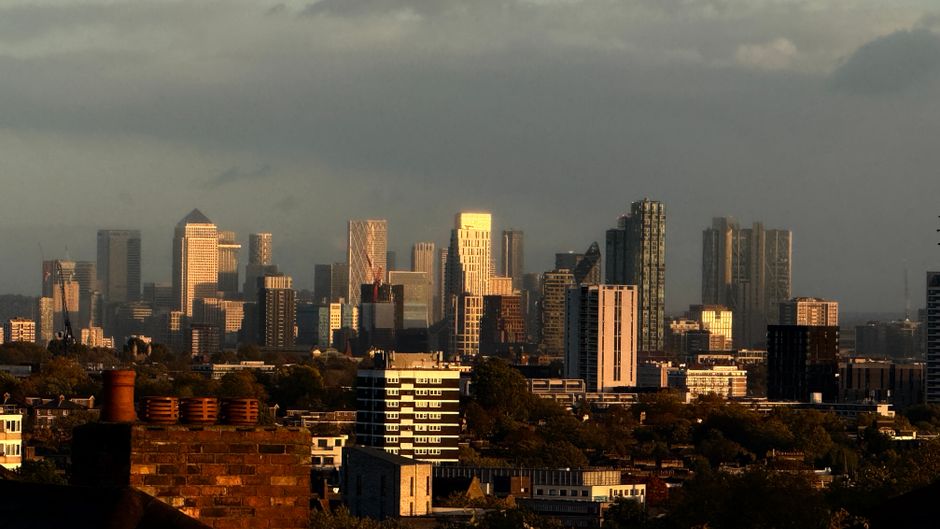
Gardeners guide to Canary Wharf balcony problems
Balcony gardening in Canary Wharf looks easy from the outside. A few pots, some herbs, maybe a compact chair, and suddenly you have your own little patch above the skyline. Then the realities arrive: wind that seems to come from nowhere, water pooling after rain, brittle plants, neighbours below, and a balcony surface that needs more care than people expect. This Gardeners guide to Canary Wharf balcony problems is here to make that whole setup much less frustrating.
If your balcony feels like it is working against you, you are not imagining it. London high-rise conditions create a very particular set of issues, and the best solutions are usually simple once you know where to look. In this guide, you will find practical ways to spot the problem, choose the right fixes, avoid common mistakes, and keep a balcony planting scheme tidy, safe, and realistic. No fluff. Just the stuff that actually helps.
Table of Contents
- Why Gardeners guide to Canary Wharf balcony problems matters
- How balcony gardening works in practice
- Key benefits and practical advantages
- Who this is for and when it makes sense
- Step-by-step guidance
- Expert tips for better results
- Common mistakes to avoid
- Tools, resources and recommendations
- Law, compliance, standards and best practice
- Options, methods and comparison table
- Case study or real-world example
- Practical checklist
- Conclusion
- Frequently asked questions
Why Gardeners guide to Canary Wharf balcony problems Matters
Balconies in Canary Wharf are not the same as a ground-level garden, and that difference changes everything. You are dealing with elevation, stronger gusts, reflected heat from glass and concrete, limited floor load, and very little room for error. A plant that would thrive in a sheltered courtyard can look miserable on a ninth-floor balcony by the end of one windy afternoon. Bit unfair, really, but that is the reality.
Understanding the main balcony problems matters because small mistakes become expensive or annoying quickly. Overwater a few heavy pots and you can end up with staining, leakage concerns, or a soggy mess around your feet. Put the wrong container in the wrong place and it may topple. Choose the wrong plants and you will spend your weekends replacing them. The goal is not perfection. It is a setup that survives normal life, normal weather, and the occasional forgetful week.
For many people, the appeal is not a big design project. It is wanting a calm, usable outdoor space that feels good to step into on a grey Tuesday morning. That means a balcony plan should be practical first and pretty second, though the good news is you can usually have both.
Expert summary: most Canary Wharf balcony problems come down to four things: wind, water, weight, and maintenance. Fix those well, and the rest gets much easier.
If you are thinking beyond balcony pots and want broader help with plant care, tidy-up work, or outdoor layout planning, the team behind services overview and garden maintenance can be a useful place to start.
How Gardeners guide to Canary Wharf balcony problems Works
Balcony gardening works best when you treat the space like a microclimate. That sounds a little technical, but it just means the balcony has its own conditions: light, airflow, shelter, temperature changes, and drainage behaviour. A balcony facing the river can feel very different from one tucked between towers. South-facing balconies can bake in summer; north-facing ones may stay cool and damp for longer. Same postcode, very different plant life.
The practical approach is to assess the space in layers. First, check the structure and surface. Then look at exposure: how hard does the wind hit, where does the sun land, and where does rain blow in? After that, think about containers, compost, and watering. Finally, set up maintenance so the whole thing does not become a weekly emergency.
Most balcony problems are not caused by one dramatic failure. They build slowly. A pot that is a little too heavy. A drainage tray that holds water too long. A climber that catches the wind like a sail. You notice it after the fact, usually when you are trying to rescue a plant that has gone pale and floppy by Friday afternoon.
The job of a good gardener in this setting is to reduce risk and simplify the setup. That may mean fewer pots, tougher plants, lighter materials, or a more restrained design. Sometimes less really is more. Annoying, yes. Effective, also yes.
Key Benefits and Practical Advantages
When a balcony is planned well, the benefits are more than decorative. A well-managed balcony can become a genuinely useful extension of your home. It can soften hard views, give you a place to breathe, and make a compact flat feel calmer and more personal.
- Better use of space: smart planting and layout mean even a narrow balcony can feel intentional instead of cluttered.
- Lower maintenance: the right plant choices reduce constant replacement and rescue work.
- Improved safety: lighter pots, secure placement, and manageable watering reduce trip hazards and fall risks.
- Better plant survival: matching plants to exposure gives you a much better chance of long-term success.
- Cleaner, tidier appearance: proper drainage and regular care prevent water marks, dead leaves, and messy overspill.
- More seasonal enjoyment: a balcony that copes with weather changes is usable for more of the year, not just on ideal days.
There is also a less obvious benefit: confidence. Once you know your balcony is set up properly, you stop second-guessing every gust of wind or every dark cloud. You can just enjoy the space. That sounds small, but it matters.
If your balcony is part of a wider outdoor refresh, related services like landscape gardening, landscaping, or even decking services may be relevant for adjoining terrace or rooftop areas where a more cohesive finish is needed.
Who This Is For and When It Makes Sense
This guide is for anyone trying to make a balcony usable without turning it into a full-time project. That includes renters, homeowners, landlords, busy professionals, and people who like plants but do not want a complicated routine. It is also useful if you have already tried balcony gardening and something keeps going wrong.
It makes sense to focus on balcony problems when you notice one or more of these signs:
- Plants dry out too quickly or never seem to settle.
- Water runs off in awkward ways or collects near the door.
- Containers feel unstable in windy weather.
- The balcony becomes cluttered very fast.
- Leaves, soil, or debris keep escaping onto the floor below.
- You are unsure what is safe to place on the balcony in the first place.
Not every balcony needs a redesign. Sometimes a simple adjustment is enough. But if you have tried the same approach twice and it still looks tired, a more strategic reset is usually the sensible move. Truth be told, a fresh start can be easier than nursing a bad setup indefinitely.
It is also worth considering professional help if you want a polished result without the trial-and-error stage. A tidy, low-maintenance balcony often depends on small technical choices, not just plant taste.
Step-by-Step Guidance
Here is the practical part. If you want to solve balcony issues methodically, work through the space in this order.
- Assess the exposure. Stand outside at different times of day if you can. Notice wind direction, strong sun, shade, and where rain blows in. A balcony that feels calm at 8 a.m. may be very different by 4 p.m.
- Check drainage. Look for standing water, blocked drainage points, or saucers that stay full for too long. Water should leave the space cleanly, not linger in corners.
- Review weight and placement. Heavier pots are not automatically bad, but they need to be placed carefully. Keep larger items low and stable. Avoid clustering all the weight in one spot unless you are certain it is appropriate.
- Choose the right containers. Lightweight containers are often easier to manage. Make sure each one has drainage holes unless there is a deliberate system for water collection.
- Select balcony-tolerant plants. Pick plants that can handle wind, fluctuating moisture, and container life. Soft, floppy, high-maintenance varieties often struggle unless the balcony is unusually sheltered.
- Build in wind protection. Use screens, trellis-style support, or strategic placement to reduce direct exposure. Even a small shift can help a great deal.
- Plan watering realistically. Self-watering containers, moisture-retentive compost, and consistent check-ins make life much easier. The aim is steadiness, not daily heroics.
- Set a maintenance rhythm. Remove dead leaves, check ties, wipe surfaces, and reset containers before clutter builds up. A few minutes each week is usually better than one exhausting rescue job later.
A quick example: if you have a west-facing Canary Wharf balcony that gets blasted by afternoon wind, you may do better with three secure, medium-sized containers than with ten tiny decorative ones. Fewer weak points. Less mess. Easier watering. That kind of practical restraint usually wins.
Expert Tips for Better Results
One of the biggest lessons from balcony work is that the small details are rarely small. A pot lifted just a few centimetres off the floor can dry out faster. A corner that looks sheltered might actually funnel wind. A plant chosen for looks alone may become a weekly drama. Been there, seen it, not ideal.
Start with stability, then style
Many people begin with colour and forget the physics. On an exposed balcony, stability comes first. Once your containers are secure and your planting choices are sensible, then you can layer in flowers, foliage, and seasonal changes.
Use texture, not just height
Balcony planting often looks better when you combine textures rather than cram in lots of upright plants. Glossy leaves, fine foliage, and a few structured forms can give visual interest without creating a wind tunnel of delicate stems.
Group plants by watering need
It sounds obvious, but it saves hassle. Put thirstier plants together and keep drought-tolerant ones in another group. Otherwise you end up overwatering one side and underwatering the other.
Leave a little breathing room
Overfilling a balcony is one of the fastest ways to make it feel awkward. You need room to sweep, water, and move things. Also, if a thunderstorm blows in, which it often does in London, you will want quick access to the floor and drainage points.
Inspect after bad weather
After a windy night or a heavy shower, do a quick check. Look for toppled pots, escaped soil, loosened ties, or water sitting where it should not. Two minutes now is better than twenty later.
For bigger outdoor jobs that create clutter, such as plant waste or old containers, a service like garden clearance can help keep the space manageable. That is especially handy if you are doing a full reset rather than a few light adjustments.
Common Mistakes to Avoid
Most balcony headaches come from well-meant choices that do not suit the conditions. The good news is that most of them are avoidable once you know the pattern.
- Choosing garden plants that hate exposure: some plants simply do not enjoy wind or drying conditions, and forcing them to cope is usually a losing battle.
- Using containers that are too large or too small: oversized pots can be heavy and slow to dry; tiny ones can dry out in no time.
- Ignoring drainage: standing water is rarely harmless on a balcony, especially if it stains surfaces or remains near thresholds.
- Letting plants touch railings or walls: repeated rubbing can damage foliage and make the space feel cramped.
- Overcrowding the area: a cluttered balcony is harder to clean, harder to water, and more vulnerable to wind damage.
- Forgetting maintenance access: if you cannot easily reach the back row of pots, that back row will become the forgotten row. It happens all the time.
There is also the temptation to buy the "perfect" plant first and work around it later. Usually backward. Start with the balcony conditions, then choose accordingly. The balcony is the boss here, not the plant catalogue.
Tools, Resources and Recommendations
You do not need a huge kit to manage balcony problems well. In fact, a smaller, more sensible toolkit is usually enough.
| Tool or item | Why it helps | Best use |
|---|---|---|
| Lightweight containers | Reduce handling strain and make repositioning easier | Small to medium balcony displays |
| Moisture-retentive compost | Helps plants cope with faster drying | Sunny or windy balconies |
| Watering can with a narrow spout | Targets roots without flooding the floor | Daily or weekly watering |
| Plant ties and soft supports | Keep stems and climbers secure without damage | Wind-prone planting schemes |
| Brush or hand broom | Removes soil and debris quickly | Weekly tidying |
| Drainage trays or feet | Lift pots and reduce surface staining | Balconies where water marks matter |
For ongoing support, a regular maintenance plan can be more useful than a one-off tidy. If your balcony is part of a wider home-care routine, lawn mowing may not be relevant here, but garden maintenance often gives a better sense of how routine care is handled more broadly across the property.
And if sustainability matters to you, consider how often pots are replaced, where compost waste goes, and whether materials can be reused. The service page on recycling and sustainability is worth noting if you want your outdoor space to be a bit more thoughtful, not just prettier.
Law, Compliance, Standards and Best Practice
Balcony gardening in Canary Wharf sits close to practical safety, building management expectations, and common sense. Exact rules can vary depending on the building, lease terms, and managing agent, so it is always sensible to check your own property guidance before making major changes. That includes heavy planters, fixed structures, screens, and anything that might affect drainage or shared spaces.
In plain English, the main best-practice areas are:
- Weight awareness: balconies are not the place to assume load is unlimited. Use judgment and follow building guidance.
- Fire safety awareness: keep combustible clutter under control and avoid blocking exits or access points.
- Drainage respect: do not interfere with drainage routes or create water run-off that affects neighbours or communal areas.
- Safety of fixed items: any screen, planter, or support should be secure and weather-aware.
- Neighbour consideration: overwatering, debris, and falling leaves are not just annoyances; they can become disputes if handled carelessly.
If a job involves working at height, awkward access, or heavier items, it is worth choosing a company that takes safety seriously. Pages such as health and safety policy and insurance and safety are useful trust signals when you are deciding who to work with. It is boring reading, granted, but boring in the good way.
For queries about service terms or process, terms and conditions and pricing and quotes help set expectations before any work begins. That kind of clarity matters more than people think.
Options, Methods and Comparison Table
There is more than one way to tackle balcony problems. The right approach depends on how exposed the space is, how much time you want to spend, and whether you are aiming for a decorative finish or a low-maintenance setup.
| Approach | Best for | Pros | Trade-offs |
|---|---|---|---|
| Simple container planting | Beginners and renters | Easy to change, inexpensive to start, low commitment | Can look sparse if not planned well |
| Structured balcony design | People who want a polished look | Cleaner layout, stronger visual impact, easier flow | Takes more planning and usually more maintenance discipline |
| Wind-protected planting scheme | Exposed high-rise balconies | Better plant survival, less breakage | May require screens or careful positioning |
| Maintenance-led setup | Busy households | Less ongoing work, more predictable results | Fewer plant choices and a more restrained look |
If you want a balcony that feels calm rather than busy, the maintenance-led route is often the best fit. If you want a more lush, styled result, you will need to accept a little more upkeep. That is the bargain, really.
Case Study or Real-World Example
Imagine a typical Canary Wharf apartment balcony: long and fairly narrow, with open sides, a view of surrounding towers, and a tendency to catch strong afternoon gusts. The owner wants herbs, some greenery, and one or two flowering plants. At first, they choose several small pots because they look neat in a shop. By week two, the smallest ones dry out so fast that the herbs are stressed before lunch. By week four, one pot has blown over, a saucer has overflowed, and the floor has a muddy patch that seems to reappear every time it rains.
The fix is not glamorous. The setup is simplified to three larger, stable containers with improved drainage, more sheltered placement, and plants that tolerate wind better. The tiny pots are removed. The watering routine becomes less frantic. A narrow broom is kept nearby. The whole balcony suddenly feels calmer, and, interestingly, more stylish too.
That is the pattern we see again and again. The win usually comes from reducing drama, not adding more features. Balcony gardening on a tall building is rarely about abundance. It is about balance.
Practical Checklist
Use this quick checklist before you buy plants or rearrange your balcony.
- Check wind exposure at different times of day.
- Confirm where water drains and where it should not collect.
- Make sure containers are stable and suitable for the space.
- Choose plants that tolerate containers and exposed conditions.
- Keep heavier items low and secure.
- Leave room to clean, water, and move safely.
- Group plants by light and watering needs.
- Inspect after storms or strong winds.
- Remove dead leaves and debris regularly.
- Check building guidance before adding fixed or heavy items.
If you can tick most of those boxes, you are already ahead of the curve.
Conclusion
Balcony gardening in Canary Wharf can be brilliant, but only when it is designed for the actual conditions rather than the fantasy version of the space. Wind, drainage, weight, maintenance, and plant choice all shape the result. Get those right and the balcony becomes a small, reliable pleasure instead of a constant project.
The main thing to remember is this: simpler often works better. Stronger containers, tougher plants, smarter placement, and a realistic care routine will usually outperform a more ambitious setup that is forever struggling. And once it is right, you really do notice the difference on an ordinary weekday evening when the light softens and the space just feels easy.
If you are ready to improve a balcony that keeps fighting back, it is worth speaking to a local team that understands the balance between practical gardening and careful outdoor presentation. Learn more about the team, or if you already know what you need, get in touch and take the next step with confidence.
Get a free quote today and see how much you can save.
Frequently Asked Questions
Why do balcony plants struggle so much in Canary Wharf?
Mostly because balconies there are exposed to wind, fluctuating light, and fast-drying conditions. Container plants have less root space too, so they feel stress faster than plants in open soil.
What are the most common balcony problems for gardeners?
The big ones are wind damage, drainage issues, overheating in summer, water overspill, unstable pots, and choosing plants that are not suited to exposed container life.
How do I stop my balcony pots from blowing over?
Use heavier or wider bases, group pots together for stability, and place the most exposed items where the wind hits less directly. Soft supports can help, but placement matters more than people realise.
What plants work best on a windy balcony?
Plants that cope well with container conditions, moderate drought, and exposure are usually best. The exact choice depends on sun and shade, but toughness matters more than novelty.
How often should I water balcony plants?
There is no single rule, because sun, wind, pot size, and plant type all change the answer. Check moisture regularly. In summer, some balconies need watering much more often than ground-level gardens.
Can I use very large planters on a balcony?
Sometimes, yes, but only if the balcony can reasonably support the weight and the planters are placed safely. Large containers can be useful, but they should never be an afterthought.
How do I keep my balcony neat without spending ages on it?
Keep the layout simple, group similar plants together, use containers that do not spill soil everywhere, and set a short weekly routine. A few minutes of tidying often prevents a bigger mess later.
Do I need permission to change my balcony planting setup?
For simple pots, usually not, but building rules and lease terms can vary. If you are adding heavy, fixed, or structural items, check first. That is the sensible route.
What is the best low-maintenance balcony garden setup?
A small number of stable containers, easy-care plants, good drainage, and a limited colour palette usually work well. Low-maintenance does not mean dull, by the way. It just means less chaos.
How do I deal with drainage and water run-off?
Make sure pots have proper drainage, avoid letting trays overflow, and keep an eye on where water goes after watering or rain. If the balcony surface stays wet too long, the setup probably needs adjusting.
Can a gardener help with balcony problems, or is it a DIY job?
Both are possible. A DIY approach works for small fixes, but a gardener can help if the balcony needs a full reset, a better planting plan, or a cleaner, safer, more practical layout.
Is balcony gardening worth it in a busy place like Canary Wharf?
Absolutely, if it is planned for the space. A well-managed balcony can make a flat feel much more liveable. The trick is keeping it realistic, not overcomplicated.